Hair loss can have many causes—from illness and hormonal imbalance to poor nutrition and long-term stress.
When thinning or bald areas start to appear, identifying the root cause is the most important step before choosing
any treatment. Addressing symptoms without a clear diagnosis often leads to short-term results.
In many cases, hair shedding improves once the underlying issue is treated. However, some conditions, such as
certain forms of alopecia, can cause long-term or permanent hair loss and require professional care.
What is the hair growth cycle?
Hair growth follows a natural cycle made up of three stages. At any given time, each follicle is in a different phase,
which is why daily shedding can be normal.
Anagen (growth phase)
This active growth stage can last between two and eight years. Around 85–90% of scalp hair is usually in this phase.
Catagen (transition phase)
A short phase lasting about two to three weeks, during which the hair follicle shrinks and prepares to rest.
Telogen (resting phase)
This phase lasts about two to four months. At the end of this stage, the hair sheds naturally and a new growth cycle begins.
Scalp hair remains in the growth phase much longer than body hair. This is why head hair can grow for years,
while eyebrow and limb hair stay relatively short.
Types of hair loss
Hair loss can appear in different patterns depending on the cause and how hair follicles respond.
Anagen effluvium
Anagen effluvium occurs when growing follicles are damaged by certain medications or medical treatments,
such as chemotherapy, leading to rapid shedding.
Telogen effluvium
This condition happens when an increased number of follicles enter the shedding phase at the same time.
It is often triggered by stress, illness, surgery, or nutritional deficiencies.
Androgenetic alopecia
The most common form of hair loss in both men and women, usually developing gradually and influenced by genetics.
You can learn more about available approaches on our genetic hair fall solution page.
Symptoms of hair loss
Hair loss does not always start suddenly or in a clearly defined pattern. Common signs include gradual thinning,
increased shedding during washing or combing, and the appearance of bald or sparse areas over time.
- Progressive thinning of hair
- Noticeable shedding after washing or combing
- Bald spots that slowly change in size
- Scalp discomfort, itching, or sensitivity in some cases

Cause of hair loss
Identifying the exact cause of hair loss usually requires a medical assessment and sometimes laboratory tests.
That said, several common factors are frequently involved.
Thyroid disorders
Both hypothyroidism and hyperthyroidism can disrupt hormone balance, which directly affects hair growth.
When thyroid conditions are properly managed, hair shedding often improves.
Hair thinning after pregnancy
Postpartum hair loss typically begins around three months after childbirth. It is usually temporary and improves
as hormone levels return to normal.
Taking some medications
Certain medications, including blood thinners, oral contraceptives, antidepressants, and retinoid-based treatments,
may contribute to hair loss. Chemotherapy drugs can also cause significant shedding, which often reverses after treatment ends.
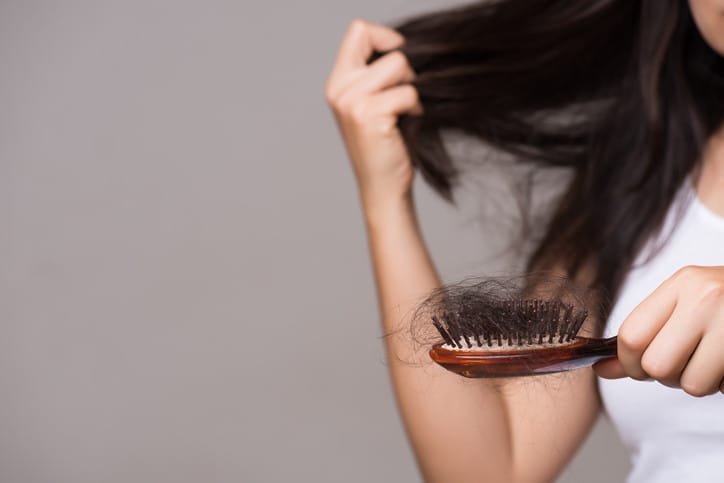
Different types of alopecia
Alopecia refers to a group of conditions that cause hair loss, sometimes due to genetic or autoimmune factors.
The pattern and severity vary, making accurate diagnosis essential.
Physical trauma
Severe physical stress, such as surgery, major accidents, or burns, can disrupt the hair growth cycle and trigger
shedding months later, often as overall thinning.
The effect of stress on hair loss
Significant emotional stress can interrupt the hair growth cycle. Once stress levels are reduced,
normal hair growth often resumes gradually.
Diet and nutrition
Poor or restrictive diets may lead to nutrient deficiencies that weaken hair follicles.
A balanced diet supports healthier and more resilient hair growth.
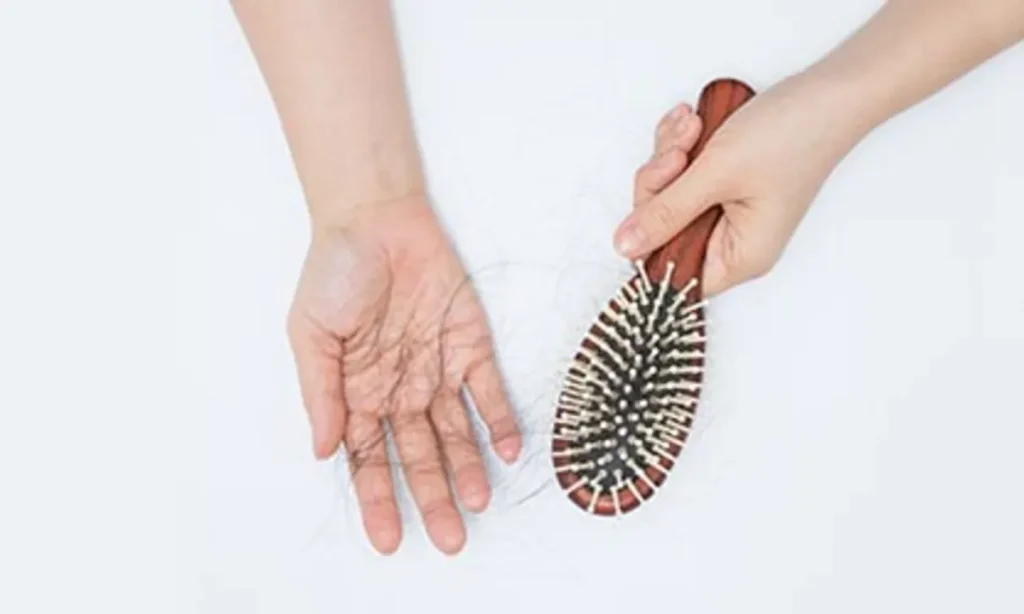
Excessive use of hair heat tools
Frequent use of heat styling tools, aggressive blow-drying, tight hairstyles, and excessive manipulation
can damage the hair shaft and contribute to thinning over time.
How to help prevent hair loss
Simple daily habits can help minimize unnecessary hair shedding. Avoid tight hairstyles, dry hair gently after washing,
limit heat styling, and maintain a balanced diet rich in essential nutrients.
In some cases, professional treatments may be recommended. If you are exploring treatment options,
our comparison of mesotherapy vs hair filler may help clarify which approach is more suitable.
The last word
Hair loss can be distressing, but in many cases it is manageable or treatable.
Whether caused by genetics, stress, or medical conditions, early evaluation by a hair specialist or dermatologist
can significantly improve outcomes.

Azita Ahmadi
Dr. Azita Ahmadi is the founder and aesthetic doctor of Serenity Aesthetic Clinic. She built the clinic with a clear belief that beauty is more than appearance. It is confidence, self-care, and feeling comfortable in your own skin. Her vision shaped Serenity into a place where clients feel understood, supported, and cared for.