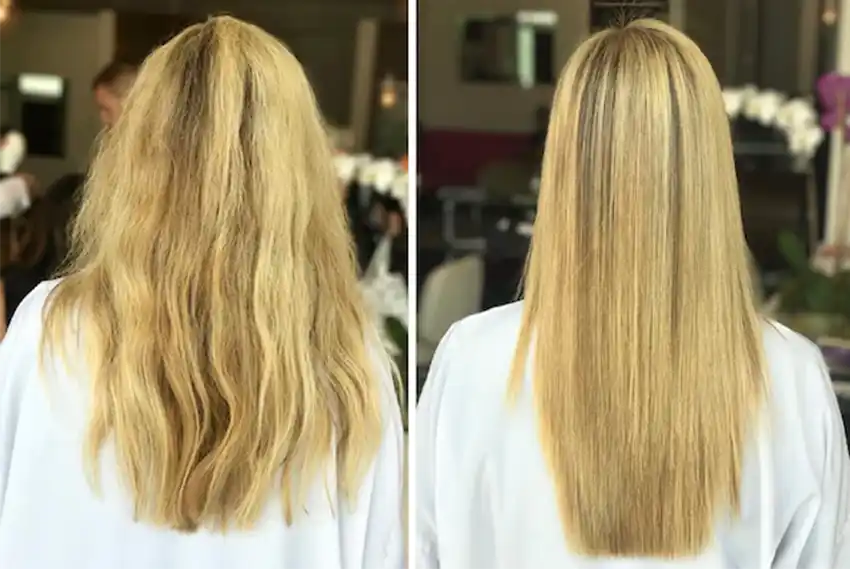
There are many trends and techniques for hair care that can improve the appearance of hair. Among the most talked-about options is keratin treatment, also known as keratin hair treatment or keratin therapy for hair. In a few hours, it can make hair look smoother, shinier, and easier to manage—especially for frizz-prone or wavy textures.
Before booking a salon session, it helps to understand what a keratin treatment really does, what it cannot do, and how to minimize risks. This guide answers the most common questions people ask about keratin straightening, longevity, costs, safety, and aftercare—so you can make an informed decision.
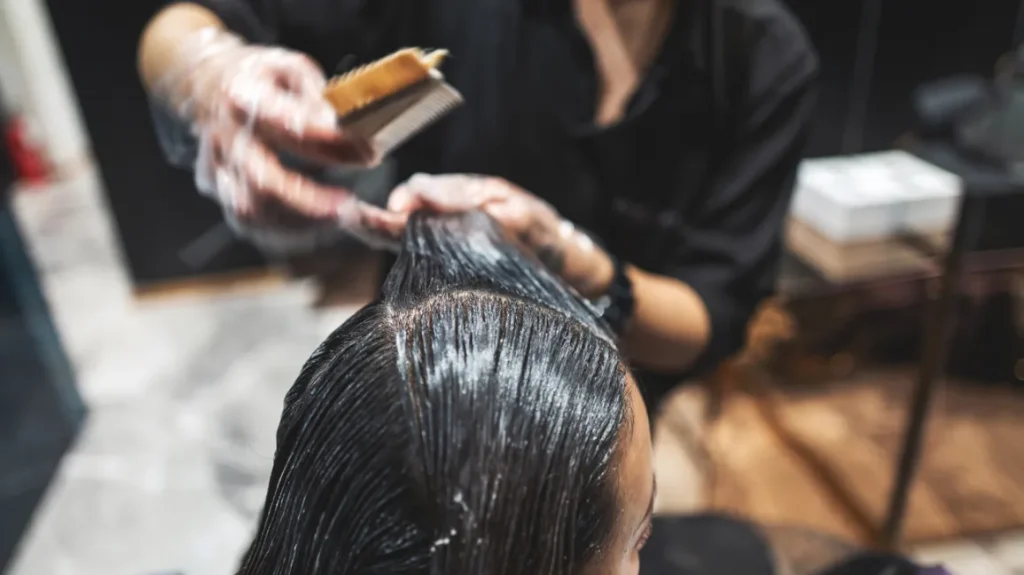
What is keratin treatment?
If you have ever been curious about what hair is made of, you have likely heard the word keratin. Keratin is a structural protein found in hair, nails, and the outer layer of skin. In hair, it helps support strength, elasticity, and overall structure.
Hair keratin is strongly influenced by environmental stressors. When the hair shaft is repeatedly exposed to intense heat, harsh chemicals, or excessive sun, the cuticle becomes weaker and the hair may feel rough, dry, or brittle. This is why people often search for terms like hair keratin and hair keratin treatment when trying to improve texture and manageability.
- Heat exposure: Frequent blow-drying, flat ironing, or strong sun can weaken the hair cuticle.
- Chemical processing: Bleaching, coloring, and relaxing can increase porosity and breakage risk.
- Detergent-heavy hair products: Some shampoos can worsen dryness for already fragile strands.
- Lifestyle factors: Hydration, nutrition, stress, and smoking may influence overall hair quality and shedding patterns.
If your main concern is not just the hair shaft but also thinning or shedding, it may help to explore broader options for scalp and follicle support under a comprehensive Hair Treatment approach. For supplement-focused support, you may also find this guide useful: What is Phyto supplement and what is its use?
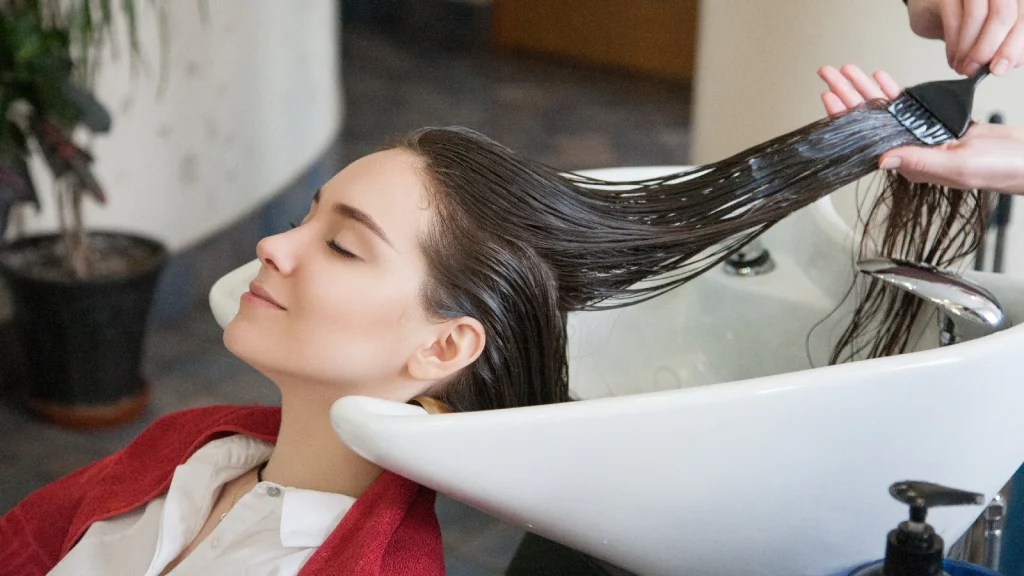
What type of hair is keratin treatment good for?
In general, the best results from keratin treatments are seen in hair that is frizzy, wavy, or mildly to moderately curly—especially when the goal is reduced puffiness and easier styling rather than pin-straight results.
Keratin treatment may be a reasonable choice if you have:
- Frizz that worsens in humidity
- Wavy hair that feels rough or hard to manage
- Heat-styled hair that has lost shine
- Color-treated hair that feels dry (with proper precautions)
However, keratin treatments may not be ideal for hair that is severely compromised with heavy breakage, extreme bleaching, or significant scalp irritation. In those situations, focusing on repair and scalp balance first can be smarter than sealing the hair shaft with a high-heat process.
If your hair becomes noticeably frizzy and dry in certain seasons, you may also want to compare your routine with seasonal care guidance here: Importance and how to take Hair care in summer.
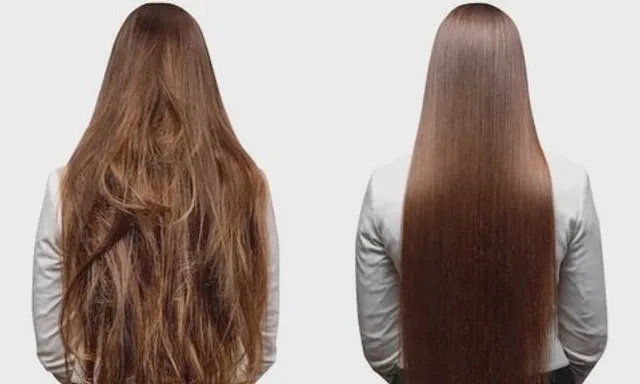
How much does keratin treatment cost?
Hair services rarely have a single fixed price. Cost depends on multiple factors, and understanding these factors helps you avoid low-quality products or unsafe technique.
| Cost Factor | Why It Matters |
|---|---|
| Hair length and density | More product and time are required for longer or thicker hair. |
| Hair condition (bleached/damaged) | Fragile hair may need gentler methods or added protective steps. |
| Product quality | Lower-cost formulas may increase irritation risk or lead to uneven results. |
| Stylist experience | Technique (sections, heat control, number of passes) affects outcomes and safety. |
Instead of chasing the lowest price, prioritize safety, ingredient transparency, and an experienced professional. A poor application can leave hair drier, weaker, or more breakage-prone.
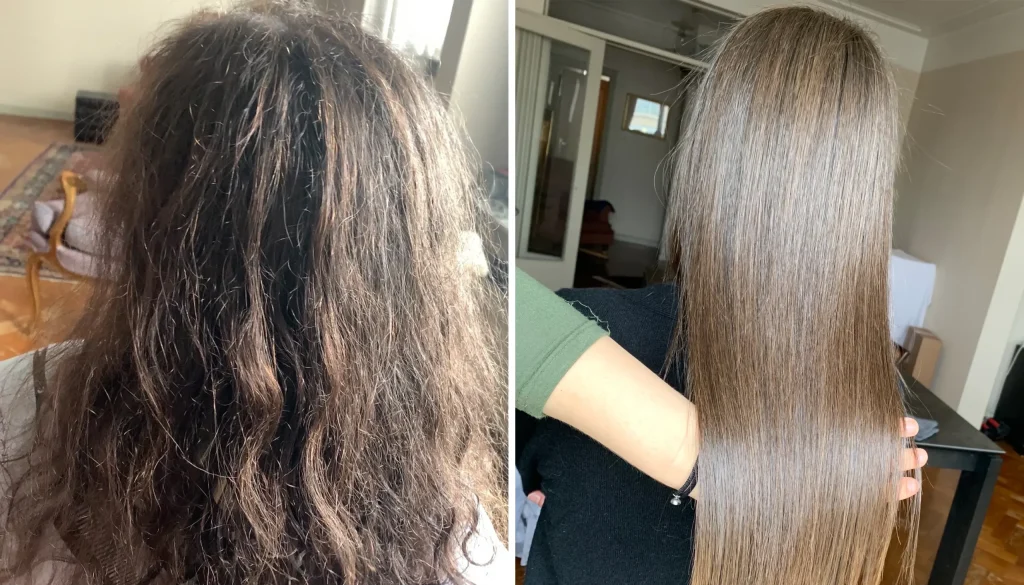
Can you do keratin hair treatment at home?
At-home keratin kits exist and are often cheaper than salon services, but they come with tradeoffs. Because keratin smoothing involves heat and chemical processing, doing it at home increases the risk of uneven results, scalp irritation, and excessive heat damage—especially for beginners.
If you want a gentler approach at home, consider “keratin-friendly” care strategies rather than chemical straightening:
- Use a sulfate-free shampoo if your hair is easily dried out.
- Apply a lightweight conditioner and focus on the mid-lengths to ends.
- Use a heat protectant before blow-drying or flat ironing.
- Limit high-heat tools and avoid repeated passes on the same section.
If your main struggle is breakage or thinning rather than just frizz, it may be more useful to evaluate scalp and follicle health. You can explore clinic-based options like PRP Hair Restoration or targeted scalp support such as Mesotherapy for Hair—but these are not “keratin alternatives.” They serve different goals and are typically considered when hair concerns extend beyond surface texture.
How long does hair keratin treatment last?
How long a keratin treatment lasts depends on hair type, formulation, heat technique, and—most importantly—aftercare. Many people experience results for several weeks up to a few months, and some report longer results when aftercare is consistent.
Keep in mind: keratin smoothing works on the hair shaft, not the hair root. As new hair grows, your natural texture gradually returns.
Aftercare checklist to extend results
- Use gentle, moisturizing shampoo and conditioner.
- Avoid harsh clarifying shampoos too often unless recommended for buildup.
- Reduce heat styling and always use heat protectant.
- Limit chlorine and salt exposure; rinse hair promptly after swimming.
- Use a hydrating mask weekly if hair feels dry or rough.
If you are deciding between scalp-focused solutions such as Hair Filler Treatment and mesotherapy, this comparison may help you understand the differences: mesotherapy vs hair filler.
Keratin treatment safety and who should be cautious
Keratin treatments can be helpful for manageability, but they are not risk-free. The two most common concerns are irritation (from certain ingredients and fumes) and heat damage (from repeated high-temperature passes).
- Pregnancy and breastfeeding: Because product formulations vary, it’s safest to be cautious and consult a healthcare professional before exposure to salon fumes and chemical processing.
- Asthma or sensitivities: Strong odors or fumes can trigger symptoms for some people.
- Bleached or fragile hair: High heat may worsen breakage if the hair shaft is already compromised.
- Scalp conditions: Active dermatitis, severe dandruff, or scalp inflammation may flare with chemicals or heat.
Pro Tip
If your goal is “smoother hair” but your hair is breaking easily, address strength and hydration first. Smoothing without a healthy base can make hair look better temporarily while worsening fragility over time.
A note for people searching “keratin hair treatment in Dubai”
Some people look specifically for keratin hair treatment in Dubai or similar local queries. If you are comparing options locally, prioritize ingredient transparency, salon ventilation, and a patch-test approach for sensitive scalps.
If your concern goes beyond straightening—such as shedding, thinning, or persistent scalp imbalance—you may benefit more from a medical evaluation and a structured plan focused on scalp and follicle health. In that case, start here: Hair Treatment. For regenerative support pathways, some individuals also explore advanced approaches like Exosome Therapy as part of clinician-guided care.
Last word
Keratin treatments can improve shine and manageability, but the best results come from realistic expectations, careful product choice, and consistent aftercare. If you treat keratin smoothing as one part of a broader hair wellness routine—hydration, gentle cleansing, heat protection, and scalp care—you are more likely to maintain healthy-looking hair over the long term.
If your hair feels persistently weak, breaks easily, or sheds more than expected, it may indicate a deeper issue than surface texture alone. In those situations, focusing on scalp balance and evidence-based hair wellness strategies can make a more meaningful difference.
What is a keratin treatment and what does it do?
A keratin treatment is a smoothing procedure that uses specific products and heat to reduce frizz, improve shine, and make hair easier to manage by temporarily realigning the hair fiber.
How long does keratin hair treatment last?
Results vary by hair type and aftercare, but many people notice smoother hair for several weeks to a few months. Gentle cleansing, hydration, and heat protection can extend the effect.
Is keratin treatment safe for all hair types?
Not always. Severely bleached or fragile hair can be more prone to heat damage, and sensitive scalps may react to certain ingredients. Ingredient transparency and professional technique matter.
Can I do keratin treatment at home?
At-home kits can be risky due to chemical exposure and high heat steps. A safer at-home alternative is focusing on hydration, gentle cleansing, heat protectant use, and reduced heat styling.
Does keratin treatment cause hair loss?
Keratin treatments affect the hair shaft, not the follicles, but improper technique, excessive heat, or scalp irritation can increase breakage or make shedding more noticeable, especially if an underlying issue exists.

Azita Ahmadi
Dr. Azita Ahmadi is the founder and aesthetic doctor of Serenity Aesthetic Clinic. She built the clinic with a clear belief that beauty is more than appearance. It is confidence, self-care, and feeling comfortable in your own skin. Her vision shaped Serenity into a place where clients feel understood, supported, and cared for.