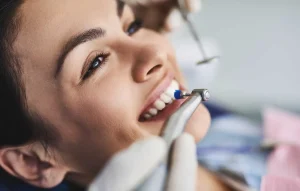
Whitening toothpaste is a popular and easy-to-use option for anyone looking to brighten their smile. It’s designed with mild abrasives and ingredients like hydrogen peroxide that help remove surface stains caused by coffee, tea, tobacco, and other common culprits. While whitening toothpaste can effectively reduce these extrinsic stains, it won’t change the natural color of your teeth or treat deeper, intrinsic discoloration. Still, when used regularly as part of a good oral care routine, it can help maintain a cleaner, more radiant smile. For more dramatic results, professional tooth whitening treatments may be needed. but for daily maintenance, whitening toothpaste is a convenient solution.
benefits of whitening toothpaste
Whitening toothpaste doesn’t just clean your teeth, it offers several benefits beyond regular toothpaste. Here are some advantages of using whitening toothpaste:
- Surface Stain Removal: Whitening toothpaste is specifically formulated to remove surface stains from the teeth caused by external factors such as certain foods, beverages, and tobacco. The mild abrasives present in whitening toothpaste help scrub away these stains, resulting in a brighter and cleaner appearance.
- Convenience: Using whitening toothpaste is a simple and convenient way to incorporate teeth whitening into your daily oral hygiene routine. It requires no extra steps or equipment, making it an easy option for maintaining a whiter smile over time.
- Maintenance of Whitening Results: Whitening toothpaste can help maintain the results achieved through professional teeth whitening treatments or other whitening methods. Regular use of whitening toothpaste can help prevent the accumulation of new surface stains and keep your teeth looking brighter and healthier.
- Oral Health Benefits: Whitening toothpaste often contains fluoride, which is beneficial for strengthening tooth enamel and preventing tooth decay. By choosing a whitening toothpaste that also provides fluoride protection, you can enjoy the combined benefits of teeth whitening and cavity prevention.
- Cost-Effective: Compared to professional teeth whitening treatments or other cosmetic dental procedures, whitening toothpaste is generally more affordable. It offers a budget-friendly option for those who want to enhance the appearance of their smile without investing in more expensive treatments.
It’s important to note that while whitening toothpaste can effectively remove surface stains, it may not produce the same level of whitening results as professional procedures. If you have deep or intrinsic stains or desire more significant whitening, it’s advisable to consult with a dental professional for alternative whitening options.
Surface Stain Removal
Surface stain removal refers to the process of eliminating extrinsic stains that accumulate on the outer layer of the teeth. These stains are typically caused by factors such as food, beverages, tobacco, and poor oral hygiene. Surface stain removal is achieved through the use of various techniques, including the application of whitening dental paste, which contains mild abrasives that help physically scrub away these stains. By targeting and removing surface stains, the appearance of the teeth is improved, resulting in a brighter, cleaner, and more aesthetically pleasing smile. However, it’s important to note that surface stain removal does not address deeper intrinsic stains or alter the underlying color of the teeth.
Maintenance of Whitening Results
Maintenance of whitening results refers to the practice of preserving and prolonging the effects of teeth whitening treatments or other whitening methods. After undergoing a teeth whitening procedure or using whitening products, it is important to take steps to sustain the achieved level of whiteness. Maintenance typically involves practices such as regular brushing with whitening dental paste, avoiding or minimizing consumption of stain-causing substances like coffee or tobacco, and maintaining good oral hygiene habits. By consistently following these measures, individuals can help prevent the reoccurrence of surface stains and keep their teeth looking bright and vibrant for a longer period of time. However, it’s important to note that maintenance efforts may vary depending on the individual’s oral habits and lifestyle choices, and periodic touch-up treatments or adjustments may be necessary to maintain the desired level of whiteness.
Oral Health Benefits
Whitening dental paste offers oral health benefits beyond its cosmetic effects. Many whitening dental paste contain fluoride, a mineral that helps strengthen tooth enamel and prevent tooth decay. Regular use of whitening dental paste with fluoride can contribute to the prevention of cavities and promote overall oral health. Additionally, whitening dental paste helps in removing plaque and maintaining a clean mouth, which can reduce the risk of gum disease and bad breath. By incorporating whitening dental paste into a daily oral hygiene routine, individuals can not only achieve a brighter smile but also support their oral health and maintain a fresh, healthy mouth.
Cost-Effective
One of the notable advantages of whitening dental paste is its cost-effectiveness. Compared to professional teeth whitening treatments or other cosmetic dental procedures, whitening dental paste is generally more affordable. It offers a budget-friendly option for those who want to enhance the appearance of their smile without investing in more expensive treatments. Whitening dental paste is widely available over-the-counter at various price points, making it accessible to a wide range of individuals. By choosing whitening dental paste, individuals can achieve noticeable results and maintain a brighter smile without breaking the bank. However, it’s important to note that the cost-effectiveness of whitening dental paste may vary depending on the brand and specific formulation chosen.

Who is the whitening toothpaste useful for?
Whitening toothpaste is useful for individuals who want to improve the appearance of their teeth by reducing surface stains and achieving a brighter smile. It is particularly beneficial for individuals who have extrinsic or surface stains caused by factors such as food, beverages, tobacco, and poor oral hygiene. Whitening toothpaste can help remove these stains and restore the natural whiteness of the teeth. It is a convenient option for those who prefer a non-invasive and cost-effective method of teeth whitening. However, it’s important to note that whitening toothpaste may not be as effective for deep or intrinsic stains, and individuals with more significant discoloration may require alternative whitening methods or professional treatments to achieve desired results. Consulting with a dental professional can help determine if whitening toothpaste is suitable for your specific dental needs.
Arabic coffee whitening dental paste
Arabic coffee whitening dental paste is a type of toothpaste that incorporates Arabic coffee as an ingredient, along with other whitening agents, to potentially provide teeth whitening benefits. Arabic coffee, also known as “gahwa” or “qahwa,” is a traditional type of coffee popular in Arab cultures. It is often rich in antioxidants and has been associated with various health benefits. In the context of toothpaste, Arabic coffee may be used for its potential natural whitening properties or to add a unique flavor or cultural element to the product. However, it’s important to note that the effectiveness and specific benefits of Arabic coffee whitening dental paste may vary depending on the formulation and individual factors. As with any toothpaste or dental product, it’s advisable to consult with a dental professional for personalized recommendations and guidance.
Is whitening toothpaste safe?
When used as directed, whitening toothpaste is generally considered safe for most individuals. Whitening toothpaste available on the market undergoes testing and quality control measures to ensure their safety and efficacy. However, it’s important to keep the following considerations in mind:
- Abrasiveness: Whitening toothpaste may contain mild abrasives to help remove surface stains. While these abrasives are generally safe for use, excessive or aggressive brushing with whitening toothpaste can potentially lead to enamel wear or tooth sensitivity. It’s recommended to follow the instructions provided and use gentle brushing techniques.
- Sensitivity: Some individuals may experience temporary tooth sensitivity or gum irritation when using whitening toothpaste, especially if they have pre-existing tooth sensitivity or oral health issues. If you experience prolonged or severe sensitivity or irritation, it’s advisable to discontinue use and consult with a dental professional.
- Intrinsic Stains: Whitening toothpaste is primarily effective for removing surface stains. It may have limited effectiveness on deeper intrinsic stains that originate from within the tooth. For more significant whitening results, professional whitening treatments may be necessary.
- Individual Variations: Each person’s teeth and oral health are unique, and results may vary. Some individuals may see more noticeable whitening effects from using whitening toothpaste, while others may experience minimal changes.
It’s always a good idea to consult with a dental professional before starting any teeth whitening regimen, including the use of whitening toothpaste. They can evaluate your oral health, provide personalized recommendations, and address any concerns you may have.
what is Abrasiveness ?
Abrasiveness refers to the degree of roughness or abrasive quality of a substance. In the context of toothpaste, abrasiveness refers to the presence of particles or compounds that can physically scrub or polish the teeth when brushing. These abrasive components help remove plaque, stains, and debris from the tooth surfaces during oral hygiene practices. The level of abrasiveness in toothpaste is measured using standardized tests, such as the Relative Dentin Abrasivity (RDA) scale. Different toothpaste formulations have varying levels of abrasiveness, with some being more abrasive than others. It’s important to use toothpaste with an appropriate level of abrasiveness to avoid excessive wear on tooth enamel and potential tooth sensitivity. Dental professionals can provide guidance on selecting toothpaste with an appropriate level of abrasiveness based on individual oral health needs.
Sensitivity
Toothpaste formulated for sensitive teeth is specifically designed to address tooth sensitivity, which is characterized by discomfort or pain when consuming hot, cold, sweet, or acidic foods and beverages, or when brushing. Here are some key points about sensitivity in toothpaste:
- Desensitizing Agents: Sensitivity toothpaste often contains desensitizing agents, such as potassium nitrate or strontium chloride, which work to reduce tooth sensitivity. These agents help block the nerve pathways in the teeth, minimizing the transmission of pain signals. Over time, with regular use, sensitivity toothpaste can help alleviate tooth sensitivity and provide relief.
- Soothing Ingredients: Toothpaste for sensitive teeth may also contain soothing ingredients like aloe vera, chamomile, or natural oils, which help calm and soothe the sensitive tooth nerves. These ingredients provide a gentle and soothing effect, reducing discomfort associated with tooth sensitivity.
It’s important to note that sensitivity toothpaste is not a permanent solution to tooth sensitivity. It provides temporary relief and should be used consistently as part of a daily oral hygiene routine. If you experience persistent tooth sensitivity, it’s recommended to consult with a dental professional to determine the underlying cause and explore additional treatment options.
Intrinsic Stains
Tooth discoloration can occur due to various factors, including:
- Food and Beverages: Certain foods and beverages can cause staining over time. Examples include coffee, tea, red wine, berries, tomato sauce, and dark-colored spices like turmeric.
- Tobacco Use: Both smoking and chewing tobacco can lead to yellow or brown stains on the teeth. The nicotine and tar present in tobacco products can adhere to tooth enamel, causing discoloration.
- Age and Wear: As we age, the outer layer of enamel on our teeth naturally wears down, revealing the underlying dentin, which is naturally yellowish in color. This can make the teeth appear more yellow or discolored.
- Genetics: Some people may have naturally darker or more yellowish teeth due to genetic factors. The thickness and translucency of tooth enamel can vary among individuals, affecting the overall appearance of the teeth.
- Medications: Certain medications, such as tetracycline antibiotics, can cause intrinsic staining that affects the color of the teeth from the inside out. This type of staining is typically more challenging to address with conventional whitening methods.
It’s important to note that the effectiveness of whitening toothpaste and other whitening methods may vary depending on the type of tooth discoloration. Deeper, intrinsic cases often require professional dental treatments such as in-office whitening, veneers, or bonding to achieve noticeable results. Consulting with a dental professional can help determine the most appropriate solution based on the cause and severity of the discoloration.